

It's a legal requirement
Many proposed projects in Kenya require an Environmental Impact Assessment before approval or licensing can be granted.

Why it matters
Environmental compliance isn't a box-ticking exercise. In Kenya it's a legal requirement that determines whether a project can proceed, and whether an operating facility can keep running without penalty.
Many proposed projects in Kenya require an Environmental Impact Assessment before approval or licensing can be granted.
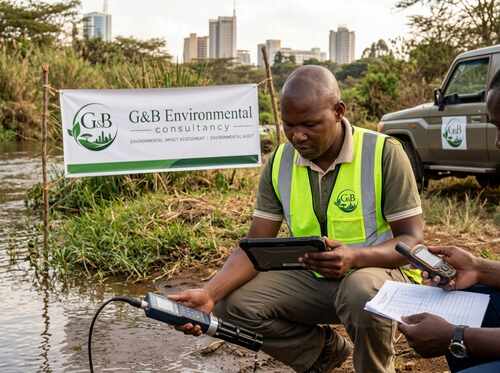
Operating facilities are expected to undergo periodic environmental audits to demonstrate ongoing compliance with set conditions.

Proper assessment and auditing reduce harm to ecosystems and communities — and protect your reputation in the process.
An Environmental Impact Assessment is generally required for projects likely to have significant environmental effects — including many construction, industrial, energy and infrastructure developments. It's typically a prerequisite for project approval and licensing.
If you're planning a project and unsure whether an EIA applies, the safest first step is to ask. We'll help you confirm the requirement and scope.
Environmental audits apply to existing or operating facilities. They review whether a facility is complying with its environmental conditions and standards — covering areas such as waste, emissions, effluent and resource use.
Audits are usually carried out periodically. They help you catch compliance gaps early, before they become costly problems.
Non-compliance can mean delayed approvals, halted projects, penalties, or reputational damage. Done properly, environmental compliance is an investment that keeps your project moving and your operations defensible.
Talk to us about your project